Understanding Toolbox Meetings: A Vital Safety Tool in the Workplace
-
 NEWGENE TECHNOLOGIES

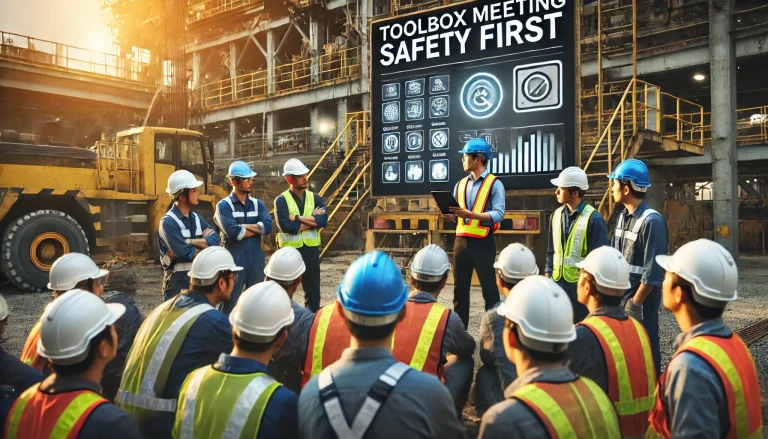
Toolbox meetings, often referred to as “toolbox talks,” are short, focused discussions held before work shifts, designed to address critical safety topics relevant to the tasks at hand. These meetings are crucial in industries like construction, manufacturing, and facilities management, where safety hazards are a daily concern. In essence, toolbox meetings help reinforce the company’s commitment to creating a safer work environment and ensure that safety is always at the forefront of every employee’s mind.
Why Are They Called “Toolbox” Meetings?
The term “toolbox meeting” originates from construction and manual labor industries, where workers often gather around their toolboxes before starting their work for the day. During this time, safety supervisors would brief them on any potential hazards or important safety measures related to their tasks. Over time, the term evolved to refer to any pre-shift safety talk, whether in construction, manufacturing, or other industries.
How to Conduct an Effective Toolbox Meeting
To make your toolbox meetings efficient and impactful, follow these steps:
- Prepare Relevant Topics: Select a topic that is directly related to the work environment or specific tasks for the day. It could range from heat stress management, proper use of personal protective equipment (PPE), to emergency evacuation procedures.
- Keep It Brief: A toolbox meeting typically lasts between 10-15 minutes. The goal is to deliver concise, actionable information that employees can remember and apply immediately.
- Engage the Workers: Encourage open discussion during the meeting. Workers should feel free to share their concerns or ask questions regarding the safety protocols.
- Document Attendance: Keep a record of who attended the meeting and what was discussed. This is not only helpful for accountability but also ensures compliance with safety regulations.
- Follow-Up: After the meeting, monitor how well the safety procedures are being implemented and make adjustments if necessary. Continuous feedback from workers is vital in improving the quality of future toolbox meetings.
Toolbox Meetings in the Digital Age
With advancements in technology, toolbox meetings are becoming more efficient and streamlined through digital platforms. Companies are now utilizing mobile applications to document, track, and store meeting records, eliminating the need for paperwork. These tools allow safety officers to record attendance, take meeting minutes, and even access past records, making safety management more transparent and organized.
Platforms like Newgene Technologies’ eSAFE offer a feature-rich safety management software designed to streamline toolbox meetings. The eSAFE system facilitates the documentation of these meetings, ensuring compliance, and allows easy access to past discussions and safety guidelines. With eSAFE, supervisors can instantly track who attended the meeting, what topics were covered, and any actions that need follow-up, all while promoting a safer work environment.
Importance of Toolbox Meetings
Toolbox meetings play a critical role in reducing workplace accidents. According to global statistics, a significant number of work-related injuries and fatalities occur each year, particularly in high-risk industries like construction and manufacturing. In 2021, for instance, the U.S. saw over 5,000 workplace fatalities, many of which could have been prevented through effective safety education and hazard awareness talks like toolbox meetings.
In industries where tasks vary daily, toolbox meetings help address specific, timely hazards. These pre-shift talks also foster a culture of safety, reminding workers to remain vigilant and adhere to safety protocols. Moreover, toolbox meetings serve as a platform to discuss emerging safety issues, review past incidents, and reinforce the importance of using PPE.
Best Practices for Toolbox Meetings
- Tailor the Discussion: Customize your meeting topics to the day’s activities and current hazards. Some common topics include:
- Electrical safety
- Fall protection
- Proper lifting techniques
- Use of PPE
- Fire and chemical safety
- Emergency response procedures
- Use Visual Aids: Consider using presentations or physical demonstrations to clarify complex safety procedures. Digital tools like PowerPoint or mobile apps can also enhance engagement and retention.
- Ensure Active Participation: Engaging employees during these meetings makes the sessions more effective. Real-time surveys or polls can be used to gauge understanding and gather feedback for future improvements.
- Follow a Consistent Schedule: Toolbox meetings should be held regularly, ideally before the start of each shift, to keep safety fresh in employees’ minds.
The Role of eSAFE in Enhancing Toolbox Meetings
eSAFE, part of Newgene Technologies’ suite of safety management solutions, makes toolbox meetings more manageable and efficient. With its integrated tools, eSAFE enables supervisors to conduct, document, and track toolbox meetings seamlessly. The software simplifies attendance logging and provides real-time access to safety records and meeting minutes, promoting a culture of safety and compliance.
Additionally, eSAFE’s mobile-friendly interface ensures that meetings can be conducted from anywhere, eliminating logistical barriers. For companies operating across multiple locations or job sites, this feature is invaluable. By digitizing the toolbox meeting process, eSAFE not only saves time but also minimizes the risk of missing critical safety protocols.
📋 Toolbox Meeting Topics: 100 Practical Ideas for Safer Workplaces
Looking for fresh and relevant toolbox meeting topics to keep your safety talks engaging and effective? Here’s a comprehensive list of 100 topic ideas across various categories—from general safety and equipment handling to environmental hazards and mental well-being—designed to promote a strong safety culture on your job site.
🛠️ General Safety & Behavior (20)
- Accident prevention
- Accident reporting & near-misses
- Common sense at work
- Personal responsibility for safety
- Complacency and unsafe shortcuts
- Situational awareness
- Housekeeping & workplace cleanliness
- Fatigue management
- Stress management & mental health
- Substance abuse / alcohol at work
- Behavioral safety & peer responsibility
- Reporting hazards / incidents
- Distracted driving safety
- Safe driving in adverse weather
- Emergency exits & evacuation procedures
- Emergency preparedness & first-aid training
- Safety culture & safety leadership
- Toolbox talk documentation best practices
- Toolbox meeting engagement tips
- Near-miss analysis and learning
🧰 Tools & Equipment (15)
- Hand tools safety
- Power tools safety
- Extension cords & electrical tools
- Machine guarding
- Compressors & air hoses
- Circular saws / band saws safety
- Chainsaw safety
- Abrasive wheel mounting
- Table/radial arm saw safety
- Jigsaws / miter / chop saw safety
- Bench grinder safety
- Forklift & powered industrial truck safety
- Heavy equipment hazards
- Mobile equipment & cranes
- Vehicle inspections & equipment maintenance
🧗 Heights, Ladders & Fall Protection (10)
- Ladder type, inspection & use
- Scaffolding safety
- Fall protection systems & PPE
- Holes, openings, and guardrails
- Anchor points & lanyards
- Calculating fall clearance distances
- Slips, trips & falls prevention
- Weather impact on ladder safety
- Falling object prevention
- Working from heights in bad weather
🔌 Electrical & Energy Control (10)
- Basic electrical safety
- Ground Fault Circuit Interrupters (GFCI)
- Extension cord misuse
- Arc flash safety
- Power line clearance
- Lockout/Tagout basics
- Hazardous energy sources
- Labeling & safety data sheets (SDS)
- Electrical emergency response
- Electrical equipment inspection
🔥 Fire & Hazardous Materials (10)
- Fire extinguisher use (PASS method)
- Flammable liquids & ignition control
- Hot work permits
- Refueling procedures safety
- Combustible dust hazards
- Chemical spill response
- Safety Data Sheets (SDS) usage
- PPE for chemical handling
- Biohazard & infection control
- Asbestos & dust exposure
🌡️ Weather & Environment (5)
- Heat stress and heat-related illness
- Cold stress and hypothermia
- Lightning and storm safety
- Air quality and dust control
- UV and sun exposure protection
👷 Ergonomics & Manual Handling (7)
- Safe lifting & back protection
- Manual handling techniques
- Ergonomic posture & workstation setup
- Repetitive strain injury awareness
- Tool vibration & hand-arm safety
- Comfortable and safe workflows
- Stretch breaks & workplace wellness
🩺 Health, PPE & Infection Control (8)
- Overview of personal protective equipment (PPE)
- Respiratory protection & mask fit
- Hearing protection awareness
- Face shields and goggle use
- Protective clothing for heat/cold
- Hydration and dehydration awareness
- Cold, flu & infection prevention
- Bloodborne pathogen awareness
🕳️ Confined Spaces & Excavation (5)
- Confined space entry procedures
- Excavation and trenching safety
- Underground utility awareness
- Trench boxes and protective shoring
- Soil classification & cave-in prevention
🚛 Vehicle & Traffic (5)
- Vehicle inspections & preventive maintenance
- Driving safety while on the job
- Pedestrian and night work safety
- On-site traffic control and signage
- Backover prevention & reversing hazards
📄 Administrative & Job Analysis (5)
- Job Safety Analysis (JSA) process
- Hierarchy of hazard controls
- Safety documentation and recordkeeping
- Safety signage and barrier usage
- Evaluating safety training effectiveness
Key Takeaways
Toolbox meetings are an indispensable part of workplace safety, especially in high-risk industries. They offer a practical way to communicate hazards, reinforce safety protocols, and ensure that workers are prepared for the challenges of the day. As technology continues to evolve, tools like eSAFE are transforming how toolbox meetings are conducted, making them more efficient, organized, and accessible.
By adopting digital safety management systems like eSAFE, companies can enhance their toolbox meetings and ensure a safer work environment, ultimately reducing accidents and improving overall safety culture.
For more information on how Newgene Technologies can support your safety management initiatives, visit Newgene Technologies.