
In the digital age, the construction industry is undergoing a transformation with the advent of digitized project management. This shift towards technology-driven solutions brings a plethora of benefits and opportunities for construction companies and project managers alike.
By embracing digital tools and platforms, construction project management becomes more streamlined, efficient, and effective. From planning to execution, every aspect of a construction project can be digitized, allowing for better collaboration, communication, and coordination among team members.
With the use of cloud-based software and mobile applications, project managers can access real-time data and updates from anywhere at any time. This not only improves decision-making but also enhances transparency and accountability throughout the entire project lifecycle.
Digital Transformation is not just about Technology, Its about making human lives better.
Ken Moelis
By embracing technology, construction professionals can optimize processes, improve collaboration, and deliver projects more efficiently.
Digitizing construction project management also enables better resource allocation and scheduling. Through advanced analytics and predictive modeling, managers can optimize workflows, allocate resources effectively, identify potential bottlenecks in advance, and mitigate risks proactively.
Furthermore, digitization opens up new possibilities for remote monitoring and virtual inspections. With the integration of Internet of Things (IoT) devices such as sensors and cameras on construction sites, managers can remotely monitor progress, identify issues or delays in real-time, ensuring timely intervention to keep projects on track.

Perfect From Beginning to End
The digitization of construction project management represents a transformative shift for the industry. By embracing technology, construction professionals can optimize processes, improve collaboration, and deliver projects more efficiently.
As the industry continues to evolve, staying at the forefront of digital innovation is not just a choice but a necessity for those who seek to thrive in the dynamic world of construction project management.
The Digital Revolution in Construction Project Management
Cloud-Based Collaboration: One of the key advantages of digitizing construction project management is the ability to leverage cloud-based collaboration tools. Project stakeholders can access and share information in real-time, breaking down communication barriers and enabling seamless collaboration between team members, regardless of their physical location. Cloud platforms also provide a centralized repository for project data, reducing the risk of information silos and ensuring that everyone is working with the most up-to-date information.
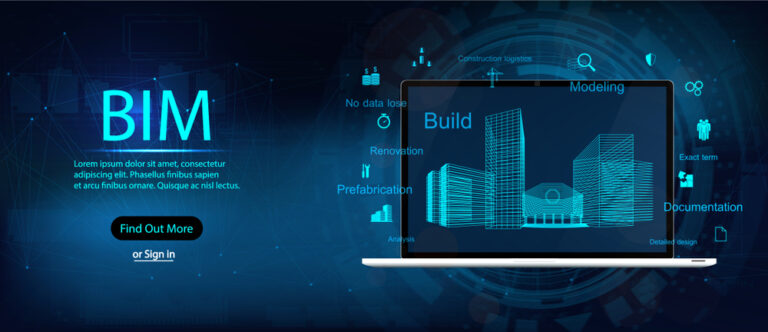
Building Information Modeling (BIM): BIM is a game-changer in construction project management. This digital representation of the physical and functional characteristics of a building allows for comprehensive planning, design, and construction. BIM facilitates better decision-making by providing a 3D model that integrates various project aspects, including architecture, structure, and MEP (mechanical, electrical, plumbing) systems. This not only improves collaboration but also minimizes errors and reduces rework, ultimately saving both time and money.
Mobile Technology: The ubiquity of smartphones and tablets has transformed the way construction projects are managed. Mobile applications enable on-site teams to access project information, update progress, and communicate with the broader team in real-time. This not only accelerates decision-making but also enhances the accuracy of data collection. Mobile technology also supports the implementation of digital forms, reducing the reliance on paper-based documentation and improving the overall efficiency of data management.
Project Management Software: Purpose-built project management software is becoming an indispensable tool for construction project managers. These platforms offer features such as task scheduling, resource allocation, budget tracking, and risk management. Automation of routine tasks frees up time for project managers to focus on strategic decision-making and problem-solving. Additionally, these tools provide valuable insights through analytics, allowing for data-driven decision-making to optimize project performance.
Drones and IoT Sensors: The integration of drones and Internet of Things (IoT) sensors in construction projects provides real-time data on site conditions. Drones can capture aerial footage for surveying and progress monitoring, while IoT sensors can track variables like temperature, humidity, and equipment utilization. This data not only enhances project visibility but also contributes to better decision-making and proactive issue resolution.
Enhanced Safety Measures: Digitization is not only about improving efficiency but also about enhancing safety on construction sites. Wearable technology and IoT devices can monitor workers’ health and safety conditions, providing instant alerts in the event of an emergency. This proactive approach to safety management can mitigate risks and contribute to a safer working environment.