Future of the digital systems and digital work flow in construction industry
-
 NEWGENE TECHNOLOGIES

The construction industry has historically been slow to adopt new technologies, relying on traditional methods for design, building, and management. However, over the past two decades, technological advancements have begun to transform the sector, reshaping workflows and boosting efficiency. From the introduction of Building Information Modeling (BIM) to the widespread use of cloud collaboration platforms, the construction industry is experiencing a digital revolution.
Adopting digital systems and workflows is no longer optional—it’s a necessity. With global pressures such as rising labor costs, tighter project timelines, and increasing environmental concerns, the construction industry must evolve to meet modern demands.
The Current State of Digital Adoption in Construction
Digital tools have already made a significant impact in construction, though their implementation remains uneven across the industry. Some of the most widely used systems today include:
- Building Information Modeling (BIM): A digital representation of the physical and functional characteristics of a building, allowing for real-time collaboration and detailed 3D visualizations. BIM is now a standard in many developed markets, aiding in design, construction, and facility management.
- Cloud Collaboration Platforms: Tools like Procore and Buildertrend enable teams to manage projects remotely, streamlining communication and document sharing across stakeholders. These platforms reduce the need for on-site meetings and ensure everyone is on the same page in real time.
- Project Management Software: Solutions such as PlanGrid and Smartsheet help construction teams manage timelines, budgets, and resources, improving overall efficiency and reducing the likelihood of costly errors.
Success Stories
Several companies have successfully embraced digital transformation, leading to improved project outcomes. For example, Skanska, one of the largest construction firms in the world, has integrated BIM into its workflow, leading to a 20% reduction in project time and cost. Similarly, Lendlease has adopted cloud-based collaboration tools that have significantly improved communication and project transparency, resulting in more streamlined project delivery.
Emerging Trends in Digital Systems for Construction
Building Information Modeling (BIM): The Future of 4D and 5D BIM
While BIM has already transformed how construction projects are designed and executed, the next phase of its evolution is underway. 4D BIM integrates the element of time, allowing construction teams to visualize the project timeline and identify potential delays before they occur. 5D BIM adds cost data to the equation, offering real-time budget tracking and forecasting, leading to more accurate financial predictions and greater cost control.
Internet of Things (IoT)
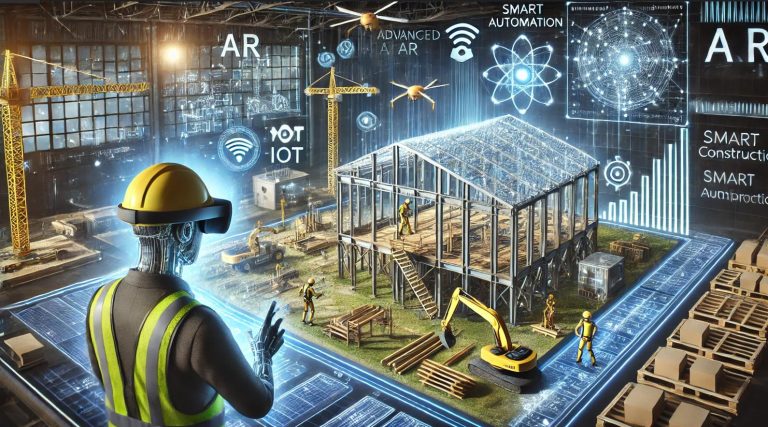
Smart sensors and IoT technology are revolutionizing how construction sites are monitored. Real-time data from sensors can track materials, monitor equipment usage, and detect structural issues early. In fact, a study by JLL found that 67% of construction projects are now using IoT devices to monitor everything from air quality to worker health and safety, significantly improving site management and reducing risks.
Augmented and Virtual Reality (AR/VR)
AR and VR are changing how designs are visualized and how projects are planned. With AR, construction professionals can overlay digital designs onto physical spaces, allowing for enhanced design review and error detection. VR, on the other hand, enables immersive simulations of construction sites, offering stakeholders a chance to explore and interact with projects before they break ground.
Overcoming Barriers to Digital Transformation
Training and Education
To overcome resistance to change, the industry must invest in workforce training. A report by the World Economic Forum suggests that retraining programs focused on digital skills can accelerate adoption and reduce resistance.
Cost Implications and Strategies for Scalable Adoption
While the initial investment in digital systems can be high, there are ways to make adoption more affordable. Companies can start small with cloud-based tools that offer scalability, gradually expanding their digital infrastructure as they see tangible results.
Cybersecurity Concerns
As the construction industry becomes more reliant on digital tools, cybersecurity must be a priority. Protecting sensitive data and preventing cyberattacks will require investments in robust security systems and employee awareness.
The Future Outlook: What’s Next for the Construction Industry?
Digital Twin Technology
Digital twins—virtual replicas of physical structures—are set to revolutionize the way buildings are managed post-construction. These models can help facility managers predict maintenance needs, optimize energy use, and improve building performance over time.
Data-Driven Decision Making
The future of construction will be data-driven, with decisions informed by real-time data from sensors, AI, and other sources. This will lead to smarter, more efficient project planning and execution.
Fully Automated Construction Sites
The vision for the next decade includes fully automated construction sites, where robots, drones, and AI handle most tasks, reducing human labor and improving efficiency. Companies like ICON are already using 3D-printing technology to build homes, offering a glimpse into this future.
Role of Governments and Policymakers
Governments and policymakers have a crucial role to play in promoting digital adoption. Incentives, subsidies, and public-private partnerships can help smaller companies overcome the initial financial barriers to adopting new technologies.
Conclusion
The future of digital systems in the construction industry holds immense promise, with technologies like BIM, IoT, and AR/VR driving efficiency, cost control, and improved project outcomes. As the industry faces rising pressures, adopting digital workflows will become essential for staying competitive. While challenges remain, such as training, costs, and cybersecurity, the transition to smarter, data-driven, and automated construction sites is inevitable, promising a more sustainable and innovative future for the industry